NCICS helps out with the first major assessment of nature in the US, now open for public comment
News about the natural world is often discouraging—declining songbird populations, toxic algae, trees killed by invasive pests, and more.
Is the state of nature that bad? What type of world will the next generations inherit? And what are people doing to improve the situation?
Those are some of the questions explored by The Nature Record, which describes itself as “the first holistic assessment of US lands, waters, and wildlife, and the benefits they provide.”
Written by more than 150 volunteer authors, the report is led by a team at the University of Washington—with significant support from NCSU’s North Carolina Institute for Climate Studies.
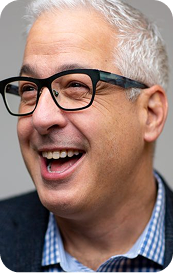
Phil Levin, Director of The Nature Record
Through May 30, people across the US have a chance to help shape the report’s final form. A working draft of the report is available on The Nature Record website, and the public is encouraged to read it and offer comments—no technical expertise required.
“We built this to be useful,” said Phil Levin, director of The Nature Record and interim executive director of the University of Washington’s EarthLab. “And the only way it becomes truly useful is if people engage with it—question it, add to it, and help shape what comes next.”
Capturing Nature
In defining “nature,” the report casts a broad net: the term includes everything from the ocean to storm drains on city streets, from massive forests to school playgrounds.
This expansive approach is required because nature is a vast, interconnected system encompassing humans and the world we inhabit: the air we breathe, the food we eat, the landscapes that give our lives meaning, the raw materials that drive our economy.
Over nearly 900 pages, the report assesses the state of ecosystems across US lands and waters. Chapters are devoted to climate change, human health, and the importance of people’s relationships with the natural world.
It’s not all bad news. A chapter called “Bright Spots” highlights “places and processes that are in better condition than expected,” such as growing populations of gray wolves, recovery of ecosystems in Chesapeake Bay, and reductions in air pollution across the country.
Similarly, a chapter on “Opportunities” highlights practices and policies that support the health of the natural world, such as creating connections across ecosystems by removing dams or creating natural corridors that allow animals to migrate through developed landscapes.
The report values different ways of knowing, not only scientific but also local and Indigenous knowledge, which encourage us to approach nature not as a resource to be exploited but with a sense of “interdependence, reciprocity, and reverence.”
A Second Chance
The project got its start in 2022 as the National Nature Assessment, a federal effort created by executive order and modeled after the National Climate Assessment. Levin led that project as well, until it was cancelled in early 2025.Undeterred, Levin and his team revived the report, enlisting many of the same authors and attracting financial support from private foundations.
NCICS, which had been working on the federal report, continued its role in the project’s new incarnation as The Nature Record.
NCICS staff members are editing the full report, creating dozens of scientific figures, compiling figure metadata, and providing specialized software, created in-house, for managing report production.
This behind-the-scenes work from NCICS is dedicated to ensuring that authors deliver their messages with grace and clarity.
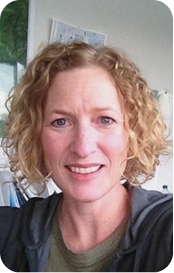
Tessa Francis, Deputy Director of The Nature Record
For another few weeks, members of the public can pitch in as well by reading the report—or select chapters—and leaving comments that identify gaps, clarify findings, and share their own local knowledge. All comments will be reviewed by the author team and used to inform the final report.
“This assessment reflects not just the state of nature, but the relationships people have with it,” said Tessa Francis, deputy director of The Nature Record and an aquatic ecologist at the University of Washington. “We want people to see themselves in this work—whether through their communities, their values, or the places they care about—and to help shape how it evolves.”